Interchange fee, explained
Interchange goes to the issuing bank and is set by the card network. The Department of Finance describes it as the largest component of the fees merchants pay. The processor adds its own fees or bundles the underlying costs into a fixed rate. Compare the total processing bill, including any per-transaction and monthly fees.
Since October 19, 2024, Visa and Mastercard have held domestic consumer credit interchange for in-store transactions at an annual weighted average of 0.95% for qualifying small businesses: under $300,000 in annual Visa volume and under $175,000 in annual Mastercard volume. That underlying interchange rate is different from the rate a shop pays its processor. BarberFlow charges 2.8% + $0.30 per card transaction.
A fixed rate makes the processing charge predictable for a given sale amount. BarberFlow bundles processing into 2.8% + $0.30 per card transaction, with no interchange fee added on top. Run your own volume through the card processing fees calculator to compare total costs.
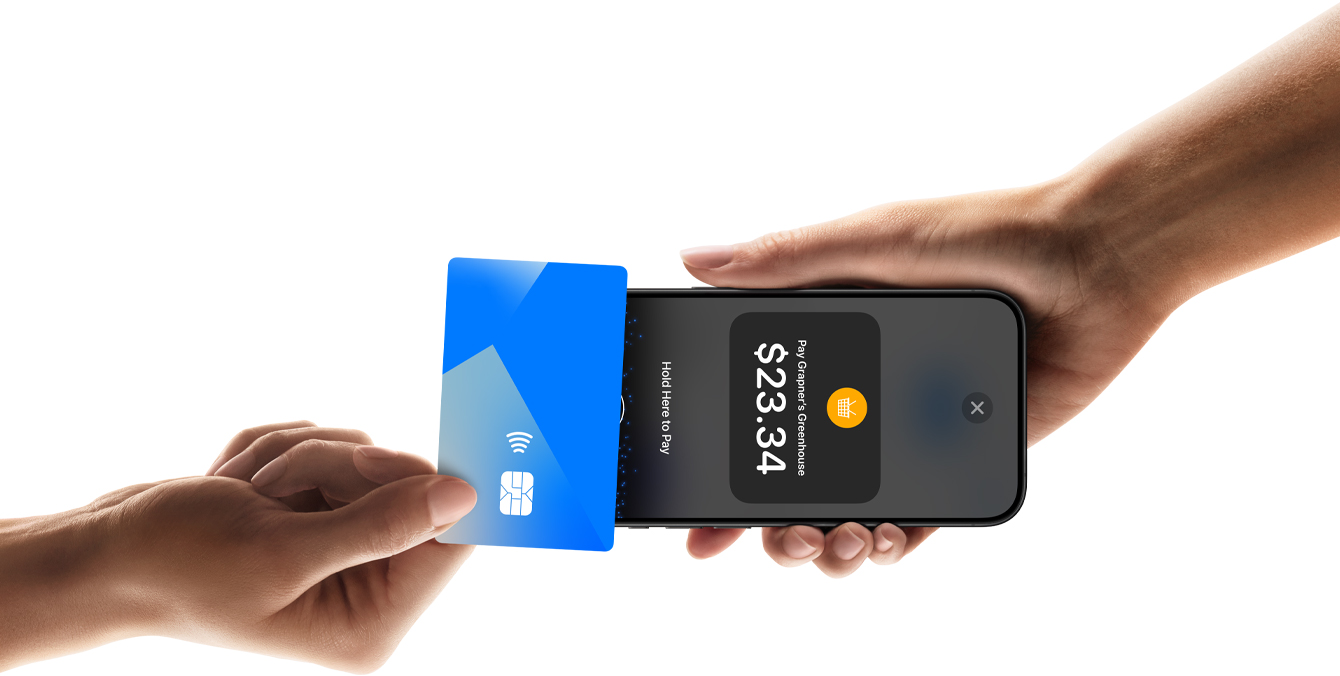
BarberFlow charges 2.8% + $0.30 per card transaction, with no monthly fee, no per-booking fee and no setup fee. Cash is free. The BarberFlow Reader and Tap to Pay on iPhone use the same processing rate.
See Tap to PayFrequently asked questions
What is an interchange fee?
Interchange is the portion of a card transaction fee that goes to the financial institution that issued the client's card, set by the card network rather than by the processor. It is the largest single component of what a merchant pays to accept a credit card.
What is the interchange rate in Canada for small businesses?
Since October 19, 2024, Visa and Mastercard have reduced domestic consumer credit interchange for in-store transactions to an annual weighted average of 0.95% for qualifying small businesses. Eligibility is annual Visa volume under $300,000 or annual Mastercard volume under $175,000.
Does a lower interchange fee always mean a lower processing bill?
It depends on the pricing model. Interchange-plus pricing passes through interchange and adds a processor fee. A fixed rate bundles those costs together. BarberFlow charges 2.8% + $0.30 per card transaction, regardless of the underlying interchange fee.