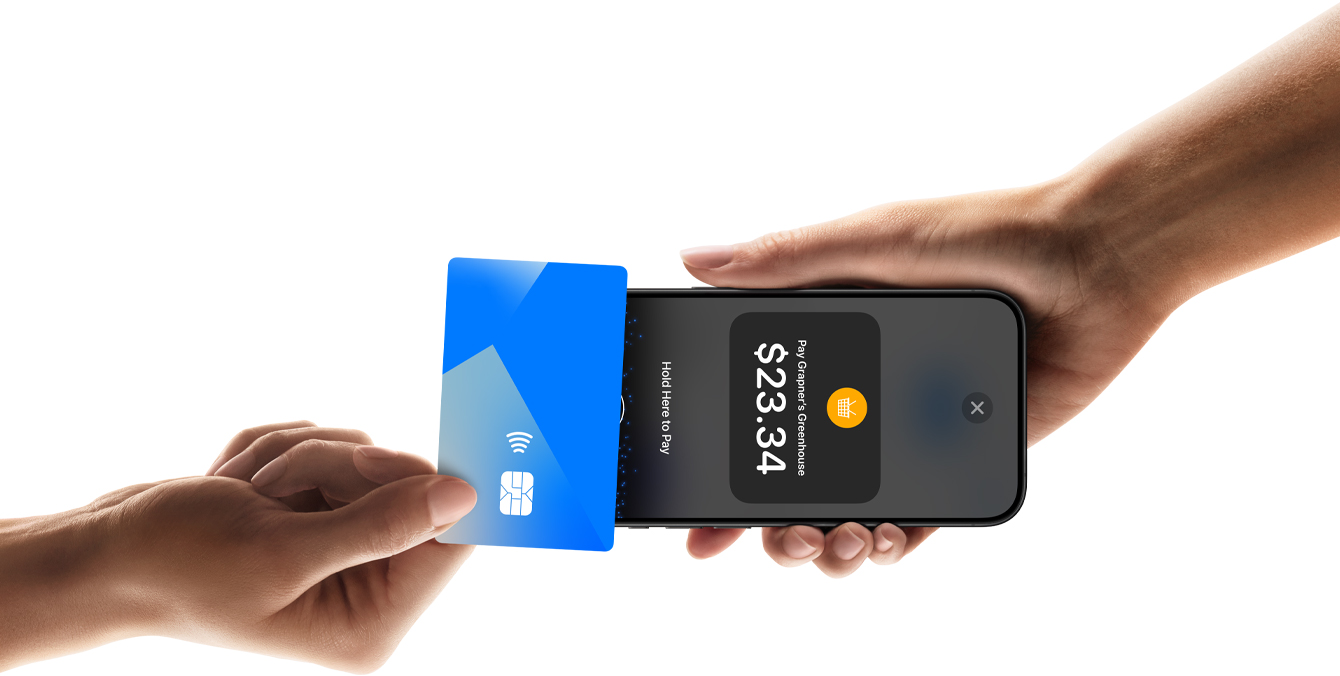
A barbershop no-show policy is three numbers and one paragraph: how long before the appointment a client can cancel free, what you charge if they cancel inside that window, and what you charge if they never turn up. Shops that make it stick land near 24 hours free, 50% for a late cancellation, 100% for a no-show — charged against a card on file, not a deposit taken up front. Below: how to pick the three numbers, whether the fee carries GST/HST, a policy paragraph to copy, and the BarberFlow setup.
What a barbershop no-show policy is
Most shops describe the policy as one thing — "we charge for no-shows" — then discover at the chair that the edge cases were never decided. A working policy splits into three parts.
- The free-cancellation window. How long before the appointment a client can cancel and owe nothing. This is the cancellation window, and it's the only part of the policy that costs nothing to be generous with.
- The late-cancellation fee. What they owe when they cancel inside that window. They told you — late, but they told you — and that warning is worth a discount off full price.
- The no-show fee. What they owe when they never arrive and never message. No warning, no chance to refill the slot.
The split changes behaviour. If cancelling late costs the same as ghosting, clients ghost — there's no reward for the text message. Price the warning below the silence and a chunk of your no-shows become late cancellations you can still refill.
What should a barber charge for a no-show?
There is no legal rate. What follows is the range we see working in Canadian shops — a recommendation, not a rule. Your neighbourhood, price point, and client mix all move the numbers.
| Setting | Where we'd start | Why |
|---|---|---|
| Free-cancellation window | 24 hours | Long enough to refill with a walk-in, short enough to plan around a work week |
| Late-cancellation fee | 50% of the service | Covers the chair without reading as punishment. The client did warn you |
| No-show fee | 100% of the service | The slot is gone and the barber earned nothing for the hour |
| Late-arrival grace | 15 minutes | Past that the day slips. A forced rebook counts as a late cancellation |
| First offence | Waived, policy restated | One free mistake buys goodwill cheaply. The second is a pattern |
A shop charging $45 for a skin fade and one charging $110 for a cut and beard sculpt shouldn't use the same flat fee, which is why percentages travel better than fixed amounts. For the arithmetic on what empty chairs cost you now, the no-show cost calculator runs it in a minute.
Card on file or a deposit?
A deposit takes money at booking. A card on file takes nothing and charges only if the policy is broken. For a barbershop, the card on file wins almost every time.
Deposits add friction exactly where you can least afford it — a first-time client, three seconds from your booking page, asked to hand $20 to a shop they've never visited. Enough close the tab that the deposit costs more in lost bookings than it saves in missed ones. A card on file charges nothing, which reads as normal because hotels and rentals already trained everyone for it.
Deposits still earn their place twice: a client with a documented no-show history, and long services that block two hours or more. Everything else runs on a saved card, stored through the same payments setup that runs your checkout.
Can a barber charge a no-show fee in Canada?
Yes. The fee is a term of the agreement the client accepted when they booked, and no federal rule prohibits it. The exposure isn't the fee — it's the gap between what you disclosed and what you charged.
Consumer protection is provincial, so the statute depends where you operate. In Ontario, the Consumer Protection Act makes it an unfair practice to make a false, misleading or deceptive representation, and provincial guidance states that any uncertainty in a consumer agreement is interpreted in favour of the consumer. The operating rule is blunt: a vague policy is a policy you lose. Write the exact window and the exact percentage, then charge exactly that.
Does GST/HST apply to the fee?
If you're registered, treat the fee as tax-included. The CRA states that when a customer doesn't complete the purchase and loses their deposit, the forfeited deposit is subject to the GST/HST, with tax backed out of the amount collected — 13/113 in Ontario, 15/115 in the Atlantic HST provinces, 5/105 where only GST applies. The underlying rule is section 182 of the Excise Tax Act, which deems tax collected when an amount is paid or forfeited on the breach, modification or termination of an agreement for a taxable supply.
In practice: a $60 no-show fee in Ontario is $60 total, of which about $6.90 is HST you remit. Don't add 13% on top. If you're under the small-supplier threshold and not registered, none of this applies — the Ontario HST guide covers when that changes.
A cancellation policy you can copy
Short, specific, written the way a person talks. Swap the numbers for yours and paste it into the cancellation policy field on your booking page.
That last line does more work than the three numbers above it. It signals a human reads every charge, which is what stops a firm policy reading as a hostile one.
Where the policy has to appear
- On the booking page, before they confirm. Same screen as the card entry. This is the disclosure that makes the charge defensible.
- In the booking confirmation. The client keeps this. When someone insists they were never told, it's the message you point to.
- In the reminder, 24 hours out. It lands as the free-cancellation window closes, giving a client who can't make it one last chance to tell you for free.
That third one is the whole ballgame. Most missed appointments aren't people deciding to skip — they're people who forgot, or meant to cancel and never got to it. A reminder timed to the edge of the window turns would-be no-shows into free cancellations, and a free cancellation is a slot you can still sell.
When to waive the fee
- First offence from a regular. Waive it, restate the policy, move on. A six-year client is worth more than $40.
- Anything medical, family, or weather. Waive without a second question. Nobody wants a receipt for their bad day.
- Your own scheduling change. If the barber called in sick, the client owes nothing.
- A pattern. Two waived fees is a favour. Three is a client who learned the policy is decorative — charge it.
How to set up a no-show policy in BarberFlow
It lives on one screen and takes about five minutes. You need a connected payment gateway and pay-in-person turned on before the card-on-file switch becomes available.
Set the window, the fees, and the wording
- 1Open Settings → Bookings
From the sidebar, go to Settings, then Bookings — the screen controlling how customers book and pay, and what happens when they don't show up.
- 2Turn on "Keep a card on file"
Under No-shows, flip the switch. Pay-in-person customers now enter a card when booking and still settle at the shop. Nothing is charged unless a barber marks a no-show or the customer cancels late.
- 3Set the free-cancellation window
Under Cancellations, choose how far ahead the card can be charged. Options run from 1 hour to 3 days. The setting starts at 1 hour; move it to 1 day for a barbershop.
- 4Set the late cancellation fee
Choose Percentage of the booking or Fixed amount, then enter the value. 50% is a reasonable start. Set it to 0 to keep late cancellations free while no-shows still cost.
- 5Set the no-show fee
Same two options, charged when a barber marks the visit as a no-show. A percentage scales with the service, so a $110 cut and beard is protected in proportion to a $45 lineup.
- 6Write the policy customers see
Open Cancellation policy and paste your wording. Leave it blank and BarberFlow shows a default written from your window and fee settings, so you only need custom text if you want the tone to be yours.
- 7Confirm the reminders are on
In Automations, check that booking confirmations and booking reminders are active across email, text, and push notification. The 24-hour reminder is what turns forgotten appointments into free cancellations.
Waiving is per booking and lives where the barber already is. Marking a visit as a no-show — in the admin or the BarberFlow Team app — brings up a prompt naming the fee and the card on file, with the option to waive it for that booking. Cancelling a booking inside the window offers the same choice, so the policy stays intact while the exception gets made.
Cards on file, visit history, and who no-shows
Every client profile carries their saved card, visit cadence, no-show count, and communication history — so you know whether this is a first offence or a fourth before deciding to waive.
The five mistakes shops make most
- Announcing the policy without enforcing it. A month of "we'll let it slide" teaches every regular that the fee is theatre. If you won't charge it, don't publish it.
- Charging a fee the client never saw. The policy has to be on the screen where they confirmed, not only in a footer. That gap becomes a chargeback, and in Ontario a misrepresentation problem.
- One flat fee for every service. $25 is punitive on a $30 lineup and trivial on a $120 appointment. Use a percentage.
- Treating a late cancellation like a no-show. The client who texts at 9am gives you a chance to refill. Price that warning lower or you train everyone to say nothing.
- Skipping the reminder. Turning reminders off and raising the fee solves the wrong half of the problem.
Frequently asked questions
How much should a barber charge for a no-show?
Most shops land between 50% and 100% of the service price, with 100% reserved for a true no-show where the client never made contact. Percentage fees work better than flat amounts because they scale with the service. There is no legal rate — this is a business decision you disclose up front.
Can a barber charge a no-show fee in Canada?
Yes. The fee is a term of the booking agreement and no federal rule prohibits it. Consumer protection is provincial, and the practical risk is disclosure: in Ontario it is an unfair practice under the Consumer Protection Act to make a false, misleading or deceptive representation, so the amount charged must match the amount shown at booking.
Do I have to charge GST or HST on a no-show fee?
If you are registered for GST/HST, treat the fee as tax-included rather than adding tax on top. The CRA states a forfeited deposit is subject to GST/HST, with tax calculated out of the amount collected — 13/113 in Ontario, 5/105 where only GST applies. Shops under the small-supplier threshold are not collecting GST/HST at all.
Should a barbershop take a deposit or keep a card on file?
Keep a card on file. A deposit asks a first-time client to pay before they have met you, and enough abandon the booking that it costs more than it saves. Reserve deposits for repeat offenders and multi-hour services.
How long should the free cancellation window be?
24 hours suits most barbershops — long enough for a realistic chance of refilling the slot, short enough that clients can plan around a work week. Windows beyond 48 hours generate complaints without improving your refill rate.
What if a client disputes the no-show charge?
Send them the booking confirmation and the reminder, both carrying the policy text and the fee amount. If the charge was correct but the relationship matters more, refund it and say so.
Quick checklist
- Pick three numbers: free-cancellation window, late-cancellation fee, no-show fee.
- Use percentages, not flat amounts, so the fee scales with the service.
- Keep a card on file rather than collecting deposits.
- Put the policy on the booking page, in the confirmation, and in the 24-hour reminder.
- Cap the no-show fee at 100% of the service price.
- If you're GST/HST registered, treat the fee as tax-included.
- Let every barber waive a fee without asking.
- Review your no-show count monthly and adjust one number at a time.
A no-show policy protects the calendar you already have. Filling it back up is the other half — getting clients to rebook without asking at the chair covers that side, and the two pair directly: the reminder that saves a booking and the nudge that wins one back run off the same client profile.
- GST/HST in special cases — forfeited deposits — Canada Revenue Agency
- Excise Tax Act, section 182 — forfeiture on breach or termination — Justice Laws Website, Government of Canada
- Key consumer protection concepts — unfair practices — Government of Ontario
- Business guide to consumer protection — Government of Ontario